

February is Cancer Prevention Month
What You Can Do to Lower Your Risk
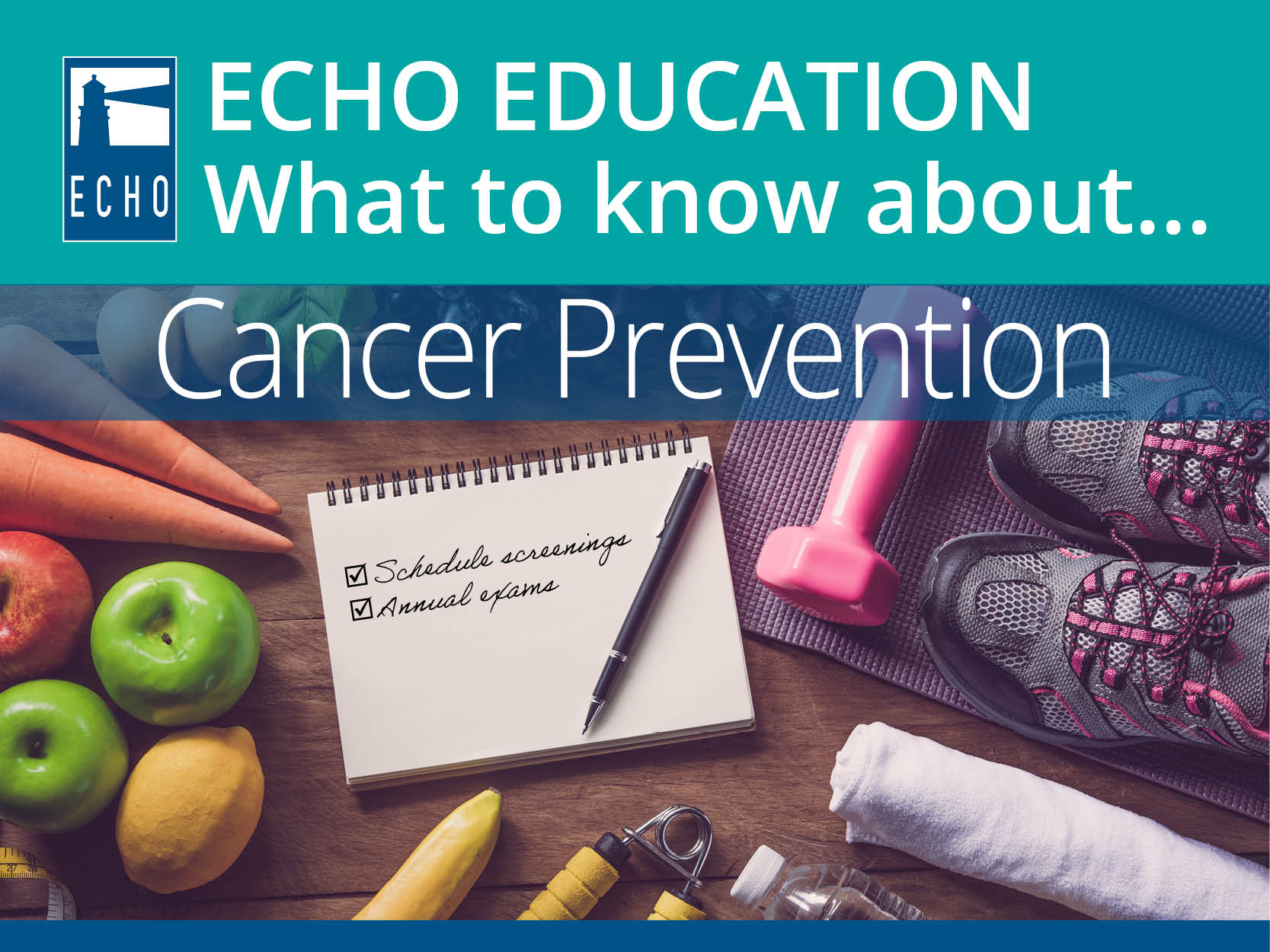
Cancer can feel overwhelming, but there’s good news: many cancers are preventable. While no strategy guarantees prevention, research shows that lifestyle choices, preventive care, and early detection can significantly reduce cancer risk. Small, consistent steps can make a meaningful difference over time.
1. Don’t Smoke — and Avoid Secondhand Smoke
Tobacco use is the leading preventable cause of cancer. It’s linked to cancers of the lung, mouth, throat, bladder, pancreas, and more. If you smoke, quitting at any age lowers your risk. Avoiding secondhand smoke is just as important – even brief exposure can increase cancer risk.
Helpful tip: If quitting feels overwhelming, talk to your healthcare provider about medications, nicotine replacement, or counseling programs that improve success rates.
2. Maintain a Healthy Weight and Stay Active
Excess body weight is associated with several cancers, including breast (postmenopausal), colorectal, endometrial, kidney, and liver cancer. Regular physical activity helps regulate hormones, reduce inflammation, and strengthen the immune system.
Aim for:
- At least 150 minutes of moderate exercise per week
- Activities you enjoy – walking, swimming, yoga, or dancing all count
3. Eat a Balanced, Nutrient-Rich Diet

Diet plays a key role in cancer prevention. Focus on foods that support overall health and reduce inflammation. If you have questions about diet, ECHO’s nutritionist is available for consultations. Click here to learn more.
Good choices include:
- Fruits and vegetables (especially leafy greens and colorful produce)
- Whole grains and legumes
- Lean proteins and healthy fats
Limit:
- Processed meats
- Excess red meat
- Sugary drinks and ultra-processed foods
4. Protect Your Skin From the Sun
Skin cancer is the most common cancer in the U.S., and it’s often preventable. Ultraviolet (UV) radiation from the sun and tanning beds damages DNA and increases cancer risk.
Smart sun habits:
- Use broad-spectrum sunscreen (SPF 30 or higher)
- Wear hats and protective clothing
- Avoid tanning beds
- Seek shade during peak sun hours
5. Get Vaccinated
Some cancers are caused by infections — and vaccines can help prevent them.
- HPV vaccine: Prevents cervical, anal, throat, and other cancers
- Hepatitis B vaccine: Reduces liver cancer risk
Vaccination is a powerful, evidence-based prevention tool for both children and adults.
6. Limit Alcohol Consumption
Alcohol increases the risk of cancers of the breast, liver, colon, mouth, throat, and esophagus. The risk rises with the amount consumed.
General guideline:
- Limit alcohol to no more than one drink per day for women and two for men — or avoid it altogether.
7. Keep Up with Recommended Screenings
Screenings don’t prevent cancer, but they detect cancer early, when it’s most treatable — and in some cases, they can prevent cancer by identifying precancerous changes.
Common screenings include:
- Mammograms
- Colonoscopy
- Pap smears and HPV testing
- Lung cancer screening for high-risk individuals
Talk with your provider about what screenings are right for you based on your age, family history, and risk factors.
8. Know Your Family History
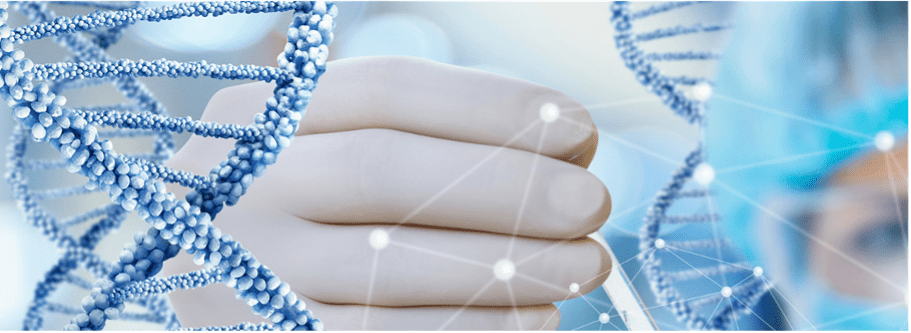
Some cancers run in families due to inherited genetic mutations. Knowing your family history helps your provider tailor screening and prevention strategies.
Consider genetic counseling if:
- Multiple relatives had cancer
- Cancer occurred at a young age
- There are rare or related cancers in the family
ECHO offers a Genetic Risk Assessment program. Click here to learn about services, team, and how to schedule a consultation.
The Bottom Line
Cancer prevention isn’t about perfection – it is about progress. Making informed choices, staying engaged in preventive care, and partnering with your healthcare team can significantly lower your risk and improve long-term health.
If you have questions about cancer prevention or screening, talk with your provider. Taking steps today can help protect your health for years to come.