
January is Cervical Cancer Awareness Month
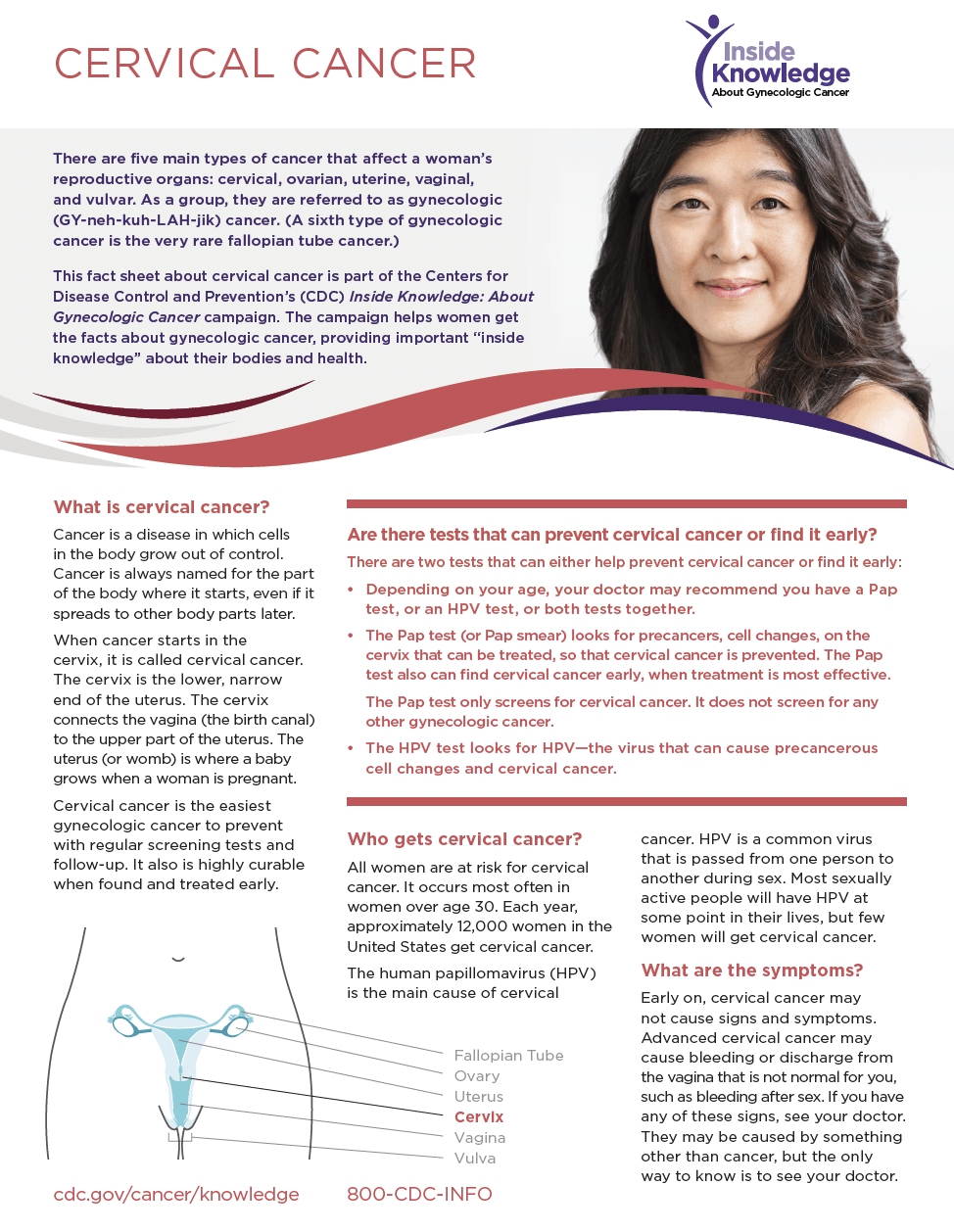
Cervical cancer is a highly preventable and treatable disease when detected early, yet it continues to affect thousands of women each year. It develops in the cells of the cervix and is most commonly caused by persistent infection with certain types of human papillomavirus (HPV), a very common sexually transmitted virus.
Routine screening is one of the most effective tools in preventing cervical cancer. Pap tests and HPV tests can detect abnormal or precancerous cells before they develop into cancer, allowing for early intervention. Health guidelines recommend regular screening for individuals with a cervix starting in early adulthood, even if they feel healthy or have no symptoms.
Vaccination also plays a critical role in prevention. The HPV vaccine protects against the virus types most likely to cause cervical cancer and is recommended for adolescents and young adults. Increasing vaccine uptake has already led to significant declines in HPV infections and precancerous cervical changes.
Cervical Cancer Screening: What You Need to Know
Cervical cancer screening helps find changes in the cervix before cancer develops. Screening saves lives by catching problems early, when they are easiest to treat.
If you are under 21
- You do not need screening, even if you are sexually active.
- Cervical cancer is very rare at this age.
If you are 21–29
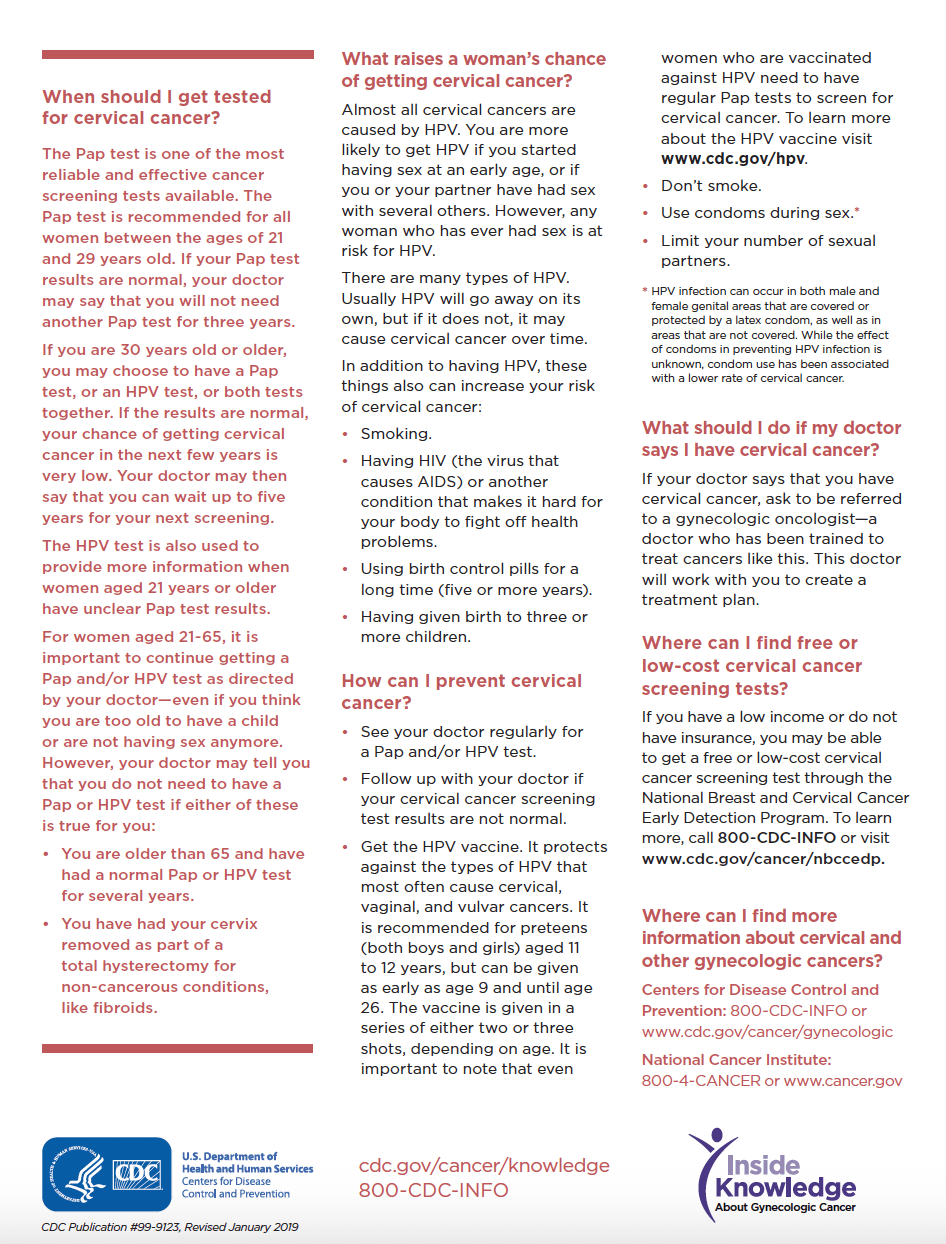
- Get a Pap test every 3 years.
- This test checks for abnormal cells on the cervix.
- HPV testing is usually not needed in this age group.
If you are 30–65
You have three safe and effective options:
- HPV test every 5 years (preferred option)
- Pap + HPV test every 5 years
- Pap test alone every 3 years
Your healthcare provider can help you choose what’s best for you.
If you are over 65
- You may be able to stop screening if:
- You’ve had regular, normal results in the past, and
- You have no history of cervical cancer or serious precancer
- Some people may need to continue—ask your provider.
If you had a hysterectomy
- You usually do not need screening if your cervix was removed and you have no history of cervical cancer or high-grade precancer.
If you are at higher risk
You may need more frequent screening if you:
- Have a weakened immune system (such as HIV)
- Were exposed to DES before birth
- Have a history of cervical cancer or precancer
Important Things to Know
- Screening is not the same as testing for STIs
- HPV is very common—most people get it at some point
- Screening is recommended even if you feel healthy
- Getting the HPV vaccine does not replace screening
Trusted Medical Sources
These recommendations are based on guidelines from:
- U.S. Preventive Services Task Force
- American Cancer Society
- American College of Obstetricians and Gynecologists
Questions?
Talk to your healthcare provider—they can help you decide which screening option is right for you.
Click here to learn more about cervical cancer and hear survivor stories.
Below is additional helpful information.