

Meet Our Social Worker: Your Partner in Care

A cancer diagnosis affects more than a person’s physical health. It can bring emotional, psychological, and practical challenges for patients and their loved ones. At ECHO, we recognize that caring for the whole person is an essential part of cancer treatment.
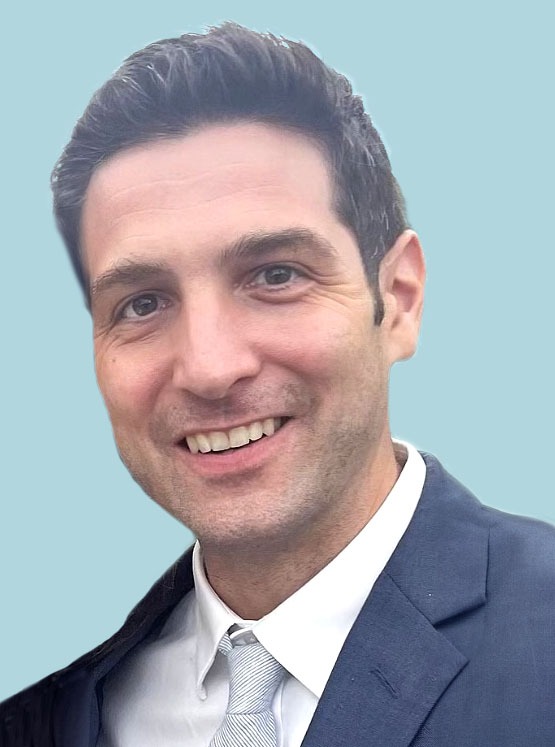
Antonio Okosky, Licensed Clinical Social Worker (LCSW), joined the ECHO team in 2024. He provides emotional support, counseling, and practical resources to help patients and their families navigate the many challenges that can arise during diagnosis, treatment, and survivorship.
We asked Antonio to share more about his role, his approach to counseling, and how patients can benefit from having a clinical social worker as part of their cancer care team.
Understanding the Role of a Clinical Social Worker
What does your role at ECHO involve?
I provide therapeutic services and help patients strengthen their support systems and improve their overall quality of life.
A cancer diagnosis can bring many emotions, including anxiety, depression, grief, and fear. I help patients work through these feelings and adjust to the changes that cancer may bring. Those changes can affect many areas of life, including careers, mobility, relationships, and daily routines.
I also help patients and families identify resources, connect with support groups, and access patient assistance programs and other services. There are many challenges a patient may face, and my role is to help them work through these complex issues.
How Counseling Works
What can patients expect when they meet with you?
I meet with patients in a private office at ECHO. Sessions typically last 30–50 minutes, and counseling services are generally billed through insurance. Coverage varies by plan. I offer in patient visits, as well as online consultations.
Patients can be referred by any member of the ECHO care team or contact the front desk directly to request an appointment.
The frequency of sessions depends on each patient’s needs and preferences. Some patients meet with me weekly, others twice a month, and some prefer monthly or occasional check-ins.
Who do you counsel?
I primarily work with patients, but family members and caregivers are welcome to participate. I follow the patient’s comfort level and preferences, whether that involves individual counseling, couples sessions, or including other family members.
Can you help when a patient is experiencing a crisis or receiving difficult news?
Absolutely. I may be asked to meet with a patient following a referral, spend time with someone during an infusion, or join a conversation in an exam room when a patient and family are processing difficult news.
Being available in these moments allows me to provide immediate emotional support when it is needed most.
Helping Patients Find Their Way Forward
What is your primary focus when working with patients?
My number one goal is to meet patients where they are in life. I help them identify what matters most to them and explore ways to improve their overall quality of life.
I serve as an advocate and help patients and families find the resources they need to navigate their circumstances. That may include support groups, educational resources, or patient assistance programs.
How does counseling benefit patients and their families?
I provide patients with a safe and supportive outlet—someone who will listen, validate their feelings, and help them process what they are experiencing.
Grief and the emotional impact of a cancer diagnosis are very individual experiences. However, many patients share similar fears and concerns. I help patients recognize that their feelings are normal, develop coping strategies, and find ways to improve their quality of life.
By including loved ones when appropriate, I can also help families have meaningful conversations, better understand one another, and work through challenges together.
What is your approach to counseling?
I use a variety of therapeutic approaches and tailor my work to each patient’s individual needs. My goal is to meet people where they are, offering unconditional acceptance and a nonjudgmental environment.
I feel very fortunate to work with patients during some of the most vulnerable times in their lives. When they are struggling, I am here to listen. When they are doing well, I am their biggest cheerleader.
My goal is to make sure patients feel heard. I consider myself a witness to their experiences and someone who can help them navigate the road ahead.
Why Having a Clinical Social Worker Matters at ECHO
Why is this service an important part of ECHO’s approach to cancer care?
Not every oncology practice has an onsite clinical social worker. At ECHO, we recognize that treating cancer means caring for the entire person—not just the disease.
Emotional and mental well-being are important parts of the cancer care experience. Having a clinical social worker available allows patients to receive additional support as they navigate the emotional, social, and practical challenges that cancer can bring.
What do you enjoy most about working at ECHO?
ECHO is one of the most genuine practices I have had the opportunity to work with. Everyone goes above and beyond for patients. The team is down-to-earth, relatable, and committed to customizing care based on each patient’s needs.
You don’t always see this level of personalized care and flexibility in large healthcare systems or hospital-based practices. My patients consistently tell me they feel they receive exceptional care at ECHO. That reassures me that I am in the right place.
You Don’t Have to Navigate Cancer Alone
Emotional support is an important part of comprehensive cancer care. Antonio is available to help ECHO patients and their caregivers work through challenges, find resources, and feel supported throughout their cancer journey.
To schedule an appointment with Antonio Okosky, LCSW:
- Phone: (860) 886-8362
- Email: aokosky@echoct.com
Patients may request an appointment directly or ask any member of their ECHO care team for a referral.